By Michael Hopkins
THIRD PLACE in the June Competition
Jacob Astin existed for exactly one line.
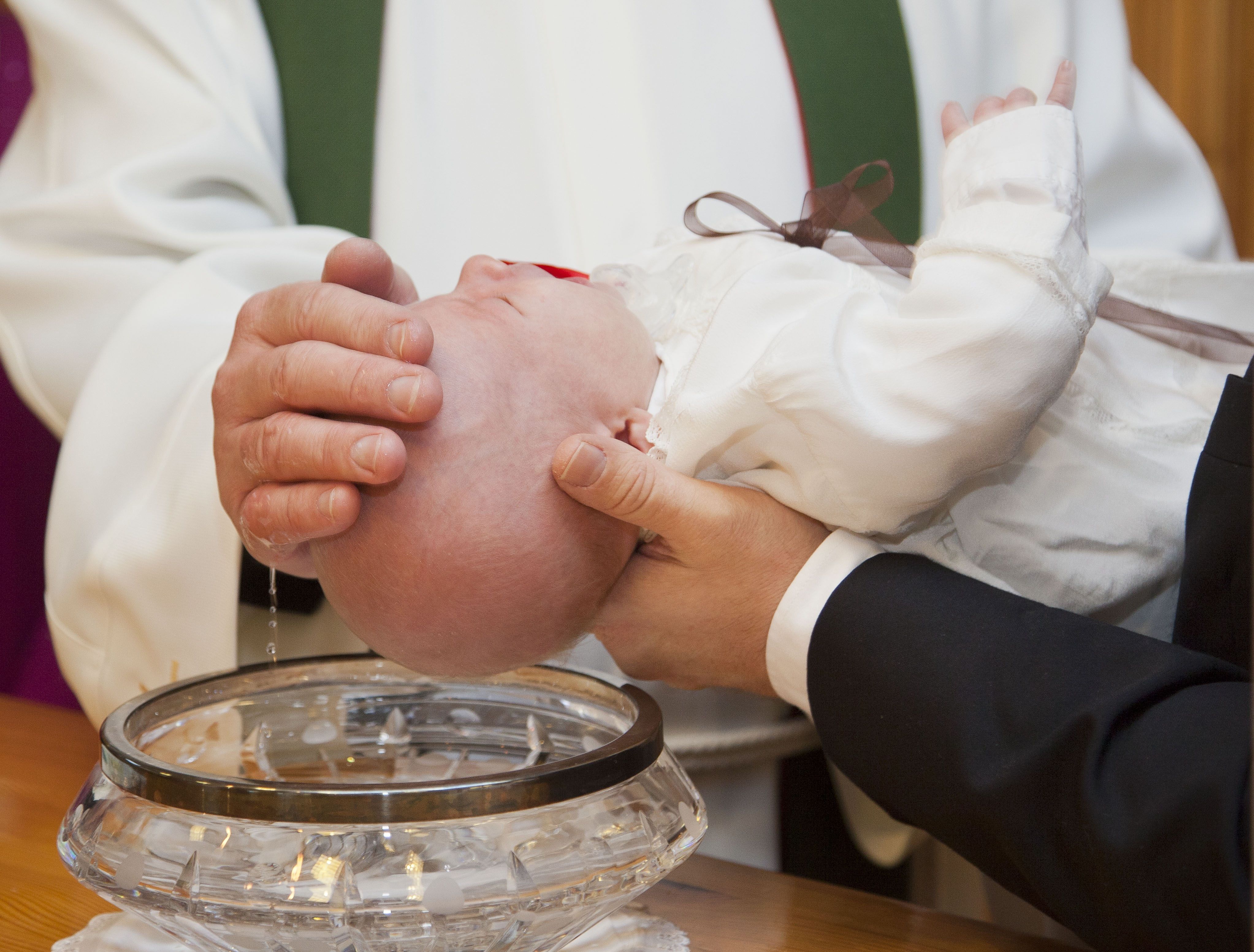
I found him in a baptism register, neat as a fact: Walter Astin, born 5 November 1852, son of Emma and Jacob Astin. The ink did not tremble. The page did not blush. The curate, or whoever held the pen, had given Walter what the world expected him to have: a father.
Emma was easy enough to find, once I knew how to ask for her. Emma Astin, born in Southowram in February 1828. Astin was not a married name borrowed from Jacob. It was hers already, inherited from her own father, carried from one record to the next through service, lodging, parish, survival. She left traces because women like Emma usually did, though never enough, and never in their own words.
Jacob did not.
No birth. No marriage. No census. No burial. No appearance in any other register. No brother, cousin, husband, widower, or vanished labourer with the right shape. Every search that should have made him real made him thinner, until at last he was only what he had always been: a name beside a baby.
That was when my research stopped being a hunt and became a question.
Did Emma invent him? Did the curate know, and choose kindness instead of questions? Or did some borrowed man stand at the font, lending his name for the length of a prayer?
I shall never know. The register gives Walter water, Emma cover, and Jacob ink. Nothing more.
I thought I had found a lie. Then I sat with it a little longer, and thought of my great-great-great-grandmother: twenty-four years old, with a child to baptise and a world that counted shame more carefully than hunger.
Jacob Astin never lived. But for one morning, in Bradford, he sheltered them both.
Judges’ Comments: I thought this piece was well written and ultimately quite moving. It was also thought-provoking, and made me wonder how many lies have been printed on birth and death and marriage certificates through the ages.
Leave a Reply